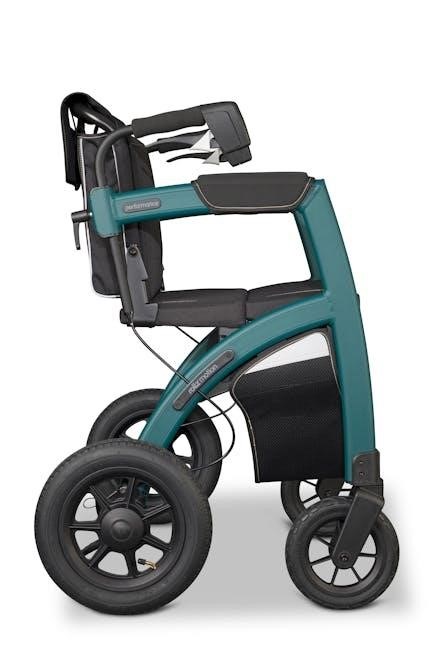
Manual Wheelchair Lift: A Comprehensive Guide (Updated 02/12/2026)
Navigating mobility challenges becomes easier with these lifts, restoring safe home access and independence for individuals facing stair-related difficulties, especially with age.
What is a Manual Wheelchair Lift?
A manual wheelchair lift is a mechanical system designed to safely transport individuals using wheelchairs up and down staircases within a residential or commercial setting. Unlike automatic stair lifts, manual lifts require physical effort from an attendant to operate, typically involving a hand-crank or similar mechanism. These lifts are engineered to overcome the barriers presented by stairs, offering a viable solution for those with limited mobility who wish to maintain access to all levels of a building.
Essentially, a manual wheelchair lift functions as a platform or chair that securely holds the wheelchair and its occupant while being moved along a track installed on the staircase. They provide a crucial aid for individuals experiencing age-related mobility decline or those with physical disabilities, enabling them to navigate stairs without the risk of falls or strain. The core purpose is to restore independence and safe access throughout the home.
The Need for Wheelchair Lifts: Addressing Mobility Challenges
As individuals age or experience mobility impairments, simple tasks like climbing stairs can become dangerous and exhausting. This presents significant challenges, limiting access to essential areas within a home – bedrooms, kitchens, and living spaces – ultimately impacting quality of life and independence. Wheelchair lifts directly address this issue by providing a safe and reliable means of navigating staircases.
The need extends beyond age; conditions like arthritis, muscular dystrophy, or recovery from surgery can also create substantial mobility limitations. A wheelchair lift restores safe access, preventing falls and reducing the physical strain associated with stair negotiation. It’s about maintaining dignity and allowing individuals to continue living comfortably in their own homes, fostering a sense of normalcy and control.
Types of Manual Wheelchair Lifts
Manual wheelchair lifts come in several distinct designs, each suited to different needs and environments. Portable wheelchair lifts are relatively inexpensive and easily moved, ideal for temporary situations or visiting locations. They typically handle lower stair heights and require manual operation for setup and breakdown.
Platform wheelchair lifts offer a larger platform accommodating both wheelchair users and companions, often found in public spaces or homes with wider staircases. These lifts generally require professional installation and can be either manual or powered. Finally, stair-climbing wheelchair lifts, also known as stairlifts, are permanently mounted to the staircase, providing a secure and automated ascent/descent.
Portable Wheelchair Lifts
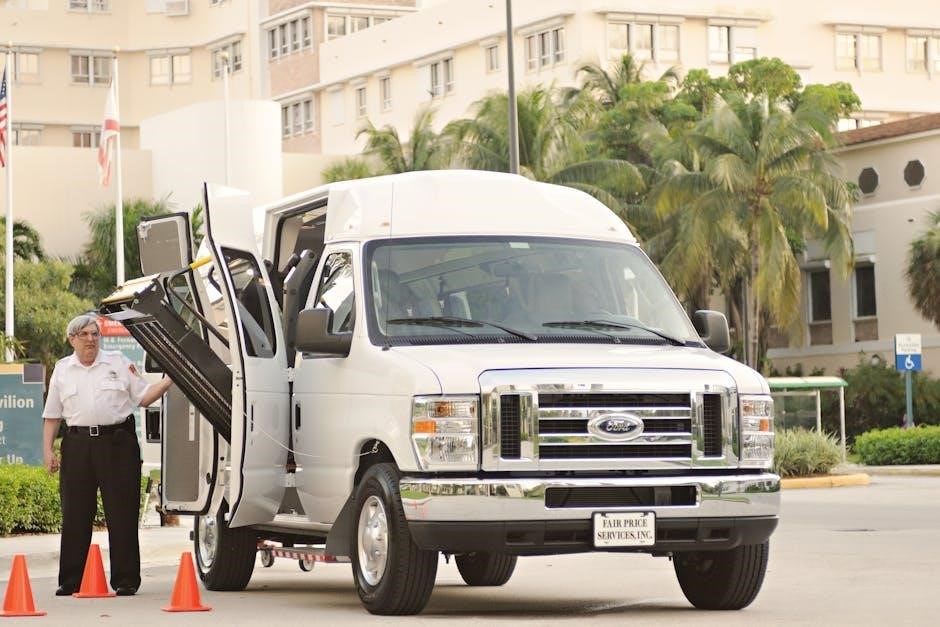
Portable wheelchair lifts represent a cost-effective and flexible solution for overcoming occasional stair barriers. These lifts are designed for temporary use, easily transported to various locations like homes, churches, or event venues. They typically feature a manual operation, requiring a caregiver to assist with setup and operation, utilizing a strap system to secure the wheelchair.
While generally suitable for lower stair heights and straight staircases, portable lifts offer a convenient option for individuals who don’t require a permanent installation. However, users should carefully consider weight capacity limitations and ensure a stable, secure setup before each use. They are a good choice for visiting family or attending events.
Platform Wheelchair Lifts
Platform wheelchair lifts are versatile solutions designed for both indoor and outdoor use, accommodating wheelchairs and scooters of varying sizes. Unlike stair-climbing lifts, these lifts vertically transport users along a track, making them ideal for overcoming short vertical barriers or navigating split-level homes. Manual platform lifts rely on hydraulic or mechanical systems operated by a caregiver or, in some cases, the user.
These lifts often feature spacious platforms with safety features like railings and non-slip surfaces. They are particularly useful for homes with limited space or complex staircase configurations where a traditional stair lift isn’t feasible. Careful consideration of platform size and weight capacity is crucial for safe operation and user comfort.
Stair-Climbing Wheelchair Lifts
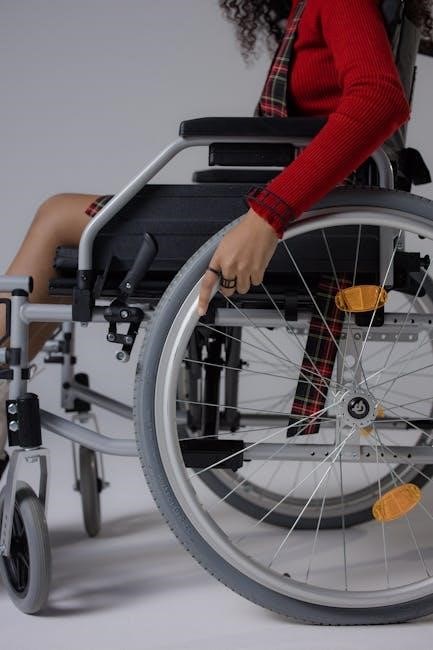
Stair-climbing wheelchair lifts, also known as track lifts, are designed to carry users safely up and down staircases while seated in their own wheelchair. These manual lifts utilize a track system installed along the staircase, with a powered carriage that moves the wheelchair along the track. They are a practical solution for individuals who wish to remain in their wheelchairs during transport, avoiding the transfer process.
Manual operation typically involves a joystick or control panel, allowing for smooth and controlled movement. Safety features are paramount, including obstruction sensors and emergency stop mechanisms. Stair-climbing lifts require professional installation to ensure proper track alignment and secure mounting, guaranteeing a safe and reliable mobility solution.
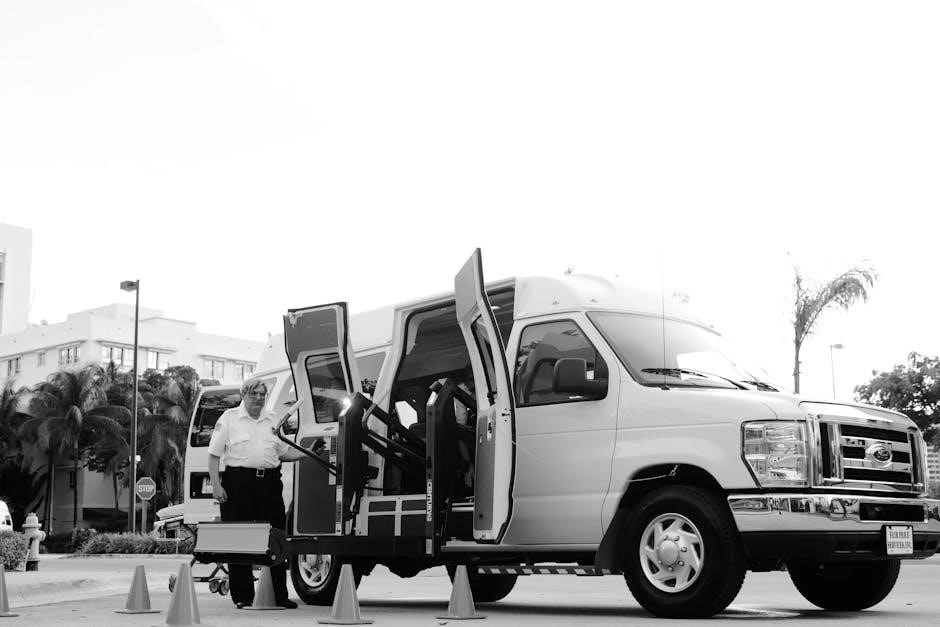
Key Considerations Before Purchasing
Before investing, carefully assess your specific needs, staircase dimensions, budget constraints, and local regulations to ensure a safe and suitable wheelchair lift selection.
Assessing Your Needs and Staircase
Thorough evaluation is paramount before selecting a manual wheelchair lift. Begin by honestly assessing the user’s physical capabilities and the frequency of lift usage. Consider the specific challenges presented by your staircase – is it straight, curved, or spiral?
Precise measurements are crucial; accurately determine the staircase width and length. Insufficient space can render certain lift models unusable. Equally important is understanding the weight capacity requirements, ensuring the lift can safely accommodate the user and their wheelchair.

Don’t overlook potential obstructions like handrails, doors, or landings. These factors influence lift placement and functionality. A detailed assessment prevents costly errors and guarantees a lift that seamlessly integrates into your home environment, maximizing accessibility and safety for years to come.
Staircase Width and Length Measurements
Accurate measurements are the cornerstone of a successful manual wheelchair lift installation. Begin by measuring the staircase width at its narrowest point, ensuring sufficient space for the lift platform and user maneuverability. A minimum width is generally required, varying by lift model.
Next, determine the total vertical height – the distance from the bottom to the top landing. This dictates the lift’s travel distance. Measure the staircase length (run) along the steps themselves; curved staircases require multiple measurements at different points.
Document all measurements meticulously, and double-check for accuracy. These figures are vital when consulting with lift suppliers, guaranteeing compatibility and preventing installation issues. Incorrect measurements can lead to delays, additional costs, and a lift that doesn’t function as intended.
Weight Capacity Requirements
Determining the appropriate weight capacity is paramount for safety and longevity. Manual wheelchair lifts are engineered to support specific weight limits, encompassing both the wheelchair and the user. Exceeding this capacity compromises the lift’s functionality and poses a significant safety risk.
Consider the user’s weight, plus the weight of the wheelchair, any carried items (like bags or oxygen tanks), and a safety margin. Most lifts offer varying capacity options, typically ranging from 250 to 400 pounds or more.
Always opt for a lift with a capacity exceeding your calculated needs, providing a buffer for future changes or added weight. Verify the manufacturer’s specifications and adhere strictly to the stated weight limit to ensure reliable and safe operation.
Budget and Cost Factors
Understanding the financial implications of a manual wheelchair lift is crucial for informed decision-making. The overall cost extends beyond the initial purchase price, encompassing installation, ongoing maintenance, and potential repairs. While the upfront investment can seem substantial, it’s vital to weigh it against the long-term benefits of increased independence and safety.
Budgeting should account for variations in lift type, features, and complexity. Portable lifts generally have a lower initial cost than platform or stair-climbing models. However, professional installation significantly impacts the total expense, particularly for more complex systems.
Don’t overlook the recurring costs of routine maintenance and potential repairs, which contribute to the lift’s lifecycle expenses.
Initial Purchase Price
The initial purchase price of a manual wheelchair lift varies considerably, depending on the type and features selected. Portable wheelchair lifts, designed for occasional use and easy transport, typically range from $300 to $1,500. These are often the most affordable option for those with limited budgets or infrequent needs.
Platform wheelchair lifts, offering greater versatility and capacity, generally fall within the $2,000 to $6,000 price range. Stair-climbing wheelchair lifts, customized for specific staircases, represent the highest initial investment, often exceeding $5,000 and reaching upwards of $12,000 or more;
Factors influencing price include weight capacity, travel distance, and any added safety features.
Installation Costs
Installation costs for manual wheelchair lifts can significantly add to the overall expense, varying based on the lift’s complexity and your home’s specific requirements. Portable lifts generally require minimal installation, often involving only securing the device to a vehicle or stable surface, resulting in lower costs – typically under $200 for professional assistance.
Platform lifts and stair-climbing lifts necessitate professional installation, ranging from $500 to $2,000 or more. This includes ensuring structural integrity, electrical connections (if applicable), and proper functionality. Complex installations, such as curved staircases or requiring custom modifications, will incur higher labor charges.
Always obtain multiple quotes from qualified installers to compare pricing and services offered.
Maintenance and Repair Expenses
Budgeting for ongoing maintenance and potential repairs is crucial for long-term wheelchair lift ownership. While manual lifts have fewer complex components than electric models, regular upkeep is still essential. Expect annual maintenance costs between $150 and $300 for professional inspections and lubrication of moving parts.
Common repairs might include replacing cables, belts, or worn-out components, costing $100 to $500 per incident. More significant issues, like motor replacements (for powered features) or structural damage, can exceed $1,000.
Establishing a maintenance schedule and addressing minor issues promptly can prevent costly repairs down the line. Consider extended warranties for added peace of mind and predictable budgeting.
Installation and Safety Features
Proper installation, whether professional or DIY, is paramount, alongside crucial safety mechanisms like secure restraints and reliable braking systems for secure operation.
Professional Installation vs. DIY
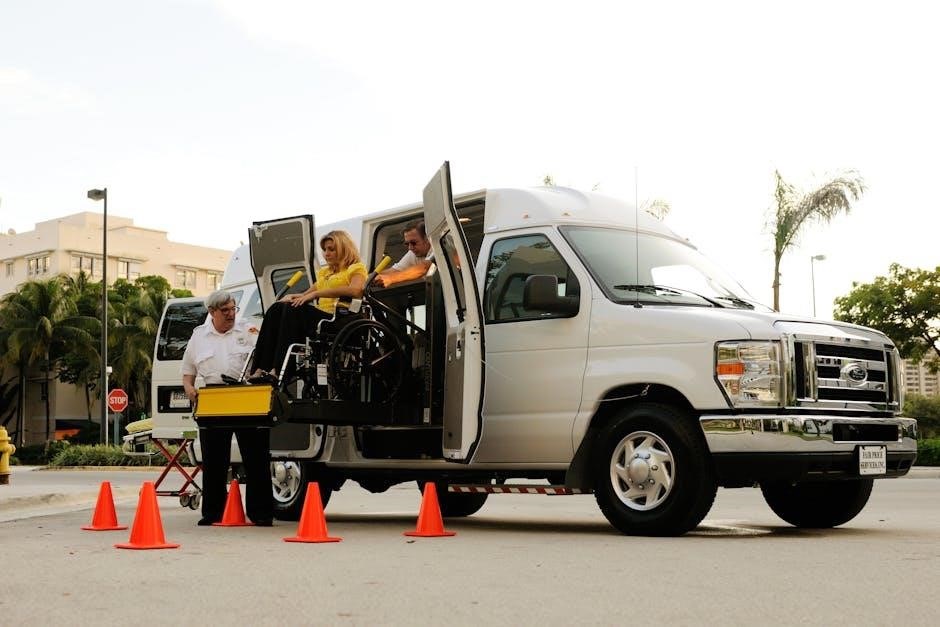
Deciding between professional installation and a do-it-yourself (DIY) approach for your manual wheelchair lift is a significant consideration. Professional installation, while incurring a higher upfront cost, guarantees adherence to safety standards and building codes. Certified technicians possess the expertise to accurately assess your staircase, ensuring a secure and reliable installation. This minimizes the risk of future malfunctions or safety hazards, offering peace of mind.
Conversely, a DIY installation can be more budget-friendly, appealing to those with strong mechanical skills and a thorough understanding of the lift’s mechanics. However, it demands meticulous attention to detail and a commitment to following the manufacturer’s instructions precisely. Incorrect installation can compromise safety and potentially void warranties. Carefully evaluate your skillset and comfort level before opting for a DIY route; professional help is often the wiser choice for complex installations.
Essential Safety Mechanisms
Manual wheelchair lifts prioritize user safety through a suite of crucial mechanisms. Emergency stop buttons, strategically positioned for easy access, immediately halt lift operation in unforeseen circumstances, preventing potential accidents. Advanced safety sensors detect obstructions on the staircase, automatically pausing the lift to avoid collisions and ensure a smooth, secure journey.
Robust seatbelts and restraints are paramount, firmly securing the wheelchair and occupant during transit, minimizing the risk of falls or movement. These features work in concert to create a safe and reliable experience. Regular testing of these mechanisms is vital to confirm their functionality. Prioritizing these safety features ensures peace of mind and protects users from potential harm while navigating stairs.
Emergency Stop Buttons
Emergency stop buttons are a fundamental safety feature on manual wheelchair lifts, designed for immediate intervention. These prominently displayed buttons, typically located on both the lift carriage and the control panel, allow users or bystanders to instantly halt lift operation. A simple press activates the braking system, bringing the lift to a complete and controlled stop.
Their accessibility is crucial, ensuring quick response times during unexpected events or perceived hazards. Regular testing of the emergency stop functionality is paramount, verifying responsiveness and reliability. These buttons provide a critical layer of protection, mitigating potential risks and ensuring user safety throughout the lifting process. Familiarity with their location and operation is essential for all lift users and caregivers.
Safety Sensors
Modern manual wheelchair lifts incorporate sophisticated safety sensors to prevent collisions and ensure smooth operation. These sensors, strategically positioned along the lift’s path, detect obstructions – such as walls, furniture, or even a person – and automatically halt movement. Utilizing infrared or ultrasonic technology, they create an invisible safety perimeter around the lift carriage.
Upon detecting an obstacle, the sensors trigger an immediate stop, preventing potential injuries or damage. Regular calibration and inspection of these sensors are vital to maintain their accuracy and effectiveness. They represent a proactive safety measure, enhancing user confidence and minimizing risks associated with lift operation. Properly functioning sensors are a cornerstone of a safe and reliable wheelchair lift system.
Seatbelts and Restraints
Integral to the safety of any manual wheelchair lift are robust seatbelts and restraint systems. These aren’t merely accessories; they are crucial components designed to secure the user during ascent and descent, preventing accidental falls or shifts in position. Modern lifts often feature adjustable, padded seatbelts, ensuring a comfortable yet firm hold for users of varying sizes and needs.
Beyond standard seatbelts, some lifts incorporate additional restraints, like armrests or lap bars, for enhanced security. Proper instruction on the correct usage of these restraints is paramount. Users must understand how to fasten and adjust them effectively before each ride. Regular inspection of the belts for wear and tear is also essential, guaranteeing continued reliability and user safety throughout the lift’s lifespan.
Maintenance and Longevity
Consistent inspections and routine upkeep are vital for ensuring the reliable, long-term performance of your manual wheelchair lift, maximizing its operational lifespan.
Regular Inspection Checklist
A consistent inspection routine is paramount for maintaining the safety and functionality of your manual wheelchair lift. Begin by visually examining the entire structure for any signs of wear, damage, or corrosion, paying close attention to welds and joints.
Next, meticulously check the lifting mechanism – cables, chains, or hydraulic systems – ensuring smooth operation and proper lubrication. Verify the functionality of all safety features, including emergency stop buttons and safety sensors, performing test runs to confirm their responsiveness.
Inspect the seatbelt or restraint system for fraying or damage, and confirm its secure attachment. Finally, assess the platform or chair for stability and any potential hazards. Document all findings and address any issues promptly to prevent future complications and ensure continued safe operation.
Common Maintenance Tasks
Routine maintenance is crucial for a manual wheelchair lift’s longevity and safe operation. Regularly lubricate all moving parts – chains, cables, and pivot points – using a manufacturer-recommended lubricant to minimize friction and wear. Inspect and tighten any loose bolts or fasteners, ensuring structural integrity.
Clean the lift platform and surrounding areas, removing debris and obstructions that could interfere with operation. Periodically check the hydraulic fluid levels (if applicable) and top up as needed. Examine the electrical components for any signs of damage or corrosion, and address promptly.
Finally, test the emergency stop and safety sensors frequently to guarantee their functionality. Consistent attention to these tasks will prevent costly repairs and ensure reliable performance.
Extending the Lifespan of Your Lift
To maximize the lifespan of your manual wheelchair lift, prioritize preventative maintenance alongside regular tasks. Avoid exceeding the specified weight capacity, as this strains the motor and structural components. Protect the lift from harsh weather conditions – rain, snow, and extreme temperatures – which can cause corrosion and damage.
Consider a protective cover when the lift isn’t in use. Schedule professional inspections annually to identify and address potential issues before they escalate. Educate all users on proper operation and safety procedures, preventing misuse and accidental damage.
Promptly address any unusual noises or operational irregularities. Consistent care and adherence to manufacturer guidelines will ensure years of reliable service.
Regulations and Accessibility Standards
Adhering to ADA guidelines and local building codes is crucial for safe installation, ensuring accessibility and potentially unlocking financial assistance programs for users.
ADA Compliance Considerations
The Americans with Disabilities Act (ADA) establishes guidelines for accessibility, impacting wheelchair lift installations, particularly in public spaces or multi-unit dwellings. While private residences generally have more flexibility, understanding ADA standards is beneficial for ensuring inclusivity and future-proofing your home.
Key ADA considerations include minimum platform dimensions, weight capacity requirements, and operational controls. Lifts must allow independent operation by users with limited dexterity. Emergency features, like clearly marked emergency stop buttons and backup power systems, are also vital for ADA compliance.
Furthermore, proper signage and clear pathways to and from the lift are essential. Consulting with an ADA specialist during the planning phase can help avoid costly modifications later. Adherence to these standards not only promotes accessibility but also demonstrates a commitment to inclusivity and respect for all individuals.
Local Building Codes and Permits
Before installing a manual wheelchair lift, thoroughly investigate local building codes and permit requirements. These regulations vary significantly by municipality and are crucial for ensuring a safe and legally compliant installation. Ignoring these rules can lead to fines, removal orders, or difficulties selling your property in the future.
Common areas addressed by building codes include structural integrity, electrical connections, and safety features. Permits typically require detailed plans, inspections during installation, and final approval from local authorities. Some jurisdictions may have specific requirements for lifts installed in historic buildings or designated accessibility zones.
Contact your local building department early in the planning process to understand all applicable regulations and obtain the necessary permits. A qualified installer can often assist with navigating this process, ensuring compliance and a smooth installation experience.
Financial Assistance Programs
The cost of a manual wheelchair lift can be substantial, but numerous financial assistance programs can help alleviate the burden. Explore options like government grants, state-specific programs, and non-profit organizations dedicated to supporting individuals with disabilities and promoting accessibility.
Federal programs, such as those offered by the Department of Veterans Affairs, may provide assistance to eligible veterans. State-level programs often offer grants or low-interest loans for home modifications, including lift installations. Local charities and foundations frequently have funds available for accessibility improvements.
Research thoroughly and understand the eligibility criteria for each program. Documentation, including medical evaluations and cost estimates, is typically required. Consulting with a social worker or accessibility specialist can help identify relevant programs and navigate the application process effectively.